Share This Speaker

Is Tooth Loss a Surrogate Marker of Cardiovascular Mortality?
Oral inflammatory diseases represent some of the most prevalent chronic conditions worldwide and are increasingly recognized as important contributors to systemic health disturbances. Beyond their local effects, these conditions are characterized by sustained inflammatory activity, microbial dysbiosis, and immune responses that may influence distant organ systems. Current evidence linking tooth loss to cardiovascular disease (CVD) mortality remains inconsistent and incompletely understood. Tooth loss reflects the cumulative impact of chronic oral inflammatory conditions and may serve as an indicator of long-term systemic inflammatory burden. From a mechanistic standpoint, severe tooth loss can be viewed as a surrogate marker of prolonged exposure to oral infection, persistent low-grade inflammation, endothelial dysfunction, and shared cardiometabolic risk pathways. Chronic immune activation and recurrent bacteremia associated with advanced oral disease may contribute to atherosclerotic progression and increased susceptibility to cardiovascular events. This lecture critically reviews the available evidence on the association between tooth loss and cardiovascular disease mortality and discusses the biological mechanisms that may underpin this relationship.
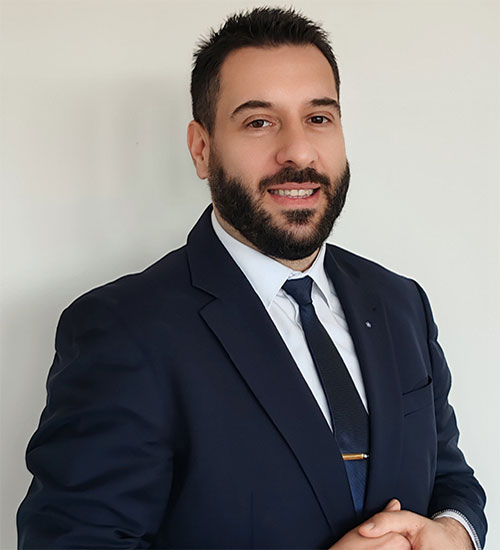
Dr Aleksandar Jakovljevic, DDS, PhD, Research Associate
Assistant Professor, Department of Pathophysiology, Division of Oral Rehabilitation; Head of Research Laboratories, School of Dental Medicine, University of Belgrade, Serbia.
Dr. Jakovljević has an extensive track record in research on the etiopathogenesis and epidemiology of apical periodontitis, with numerous publications in high-impact, peer-reviewed international journals, accumulating over 900 citations and an H-index of 20. He serves on the editorial and scientific boards of leading journals, including the International Endodontic Journal, International Dental Journal, and Journal of Endodontics, and acts as a reviewer for over 70 JCR-listed journals. He has contributed as an external reviewer to prestigious institutions such as the French Institute for Dental Research, Trinity College Dublin (Ireland), the Academic Centre for Dentistry Amsterdam (Netherlands), and the University of Adelaide Dental School (Australia). His scientific excellence has been recognized with awards from the Balkan Stomatological Society, as well as the Austrian, French, and European Societies of Endodontics. Dr. Jakovljević is an active member of the International Association of Dental Research and the Scientific Committee of the European Society of Endodontology. As a senior reviewer, he contributed to the ESE S3 Clinical Guidelines project and co-authored the positional statement on the systemic impact of apical periodontitis. He is also an author of several books and book chapters for both undergraduate and postgraduate education.
Is Tooth Loss a Surrogate Marker of Cardiovascular Mortality?
Oral inflammatory diseases represent some of the most prevalent chronic conditions worldwide and are increasingly recognized as important contributors to systemic health disturbances. Beyond their local effects, these conditions are characterized by sustained inflammatory activity, microbial dysbiosis, and immune responses that may influence distant organ systems. Current evidence linking tooth loss to cardiovascular disease (CVD) mortality remains inconsistent and incompletely understood. Tooth loss reflects the cumulative impact of chronic oral inflammatory conditions and may serve as an indicator of long-term systemic inflammatory burden. From a mechanistic standpoint, severe tooth loss can be viewed as a surrogate marker of prolonged exposure to oral infection, persistent low-grade inflammation, endothelial dysfunction, and shared cardiometabolic risk pathways. Chronic immune activation and recurrent bacteremia associated with advanced oral disease may contribute to atherosclerotic progression and increased susceptibility to cardiovascular events. This lecture critically reviews the available evidence on the association between tooth loss and cardiovascular disease mortality and discusses the biological mechanisms that may underpin this relationship.
Dr Aleksandar Jakovljevic, DDS, PhD, Research Associate
Assistant Professor, Department of Pathophysiology, Division of Oral Rehabilitation; Head of Research Laboratories, School of Dental Medicine, University of Belgrade, Serbia.
Dr. Jakovljević has an extensive track record in research on the etiopathogenesis and epidemiology of apical periodontitis, with numerous publications in high-impact, peer-reviewed international journals, accumulating over 900 citations and an H-index of 20. He serves on the editorial and scientific boards of leading journals, including the International Endodontic Journal, International Dental Journal, and Journal of Endodontics, and acts as a reviewer for over 70 JCR-listed journals. He has contributed as an external reviewer to prestigious institutions such as the French Institute for Dental Research, Trinity College Dublin (Ireland), the Academic Centre for Dentistry Amsterdam (Netherlands), and the University of Adelaide Dental School (Australia). His scientific excellence has been recognized with awards from the Balkan Stomatological Society, as well as the Austrian, French, and European Societies of Endodontics. Dr. Jakovljević is an active member of the International Association of Dental Research and the Scientific Committee of the European Society of Endodontology. As a senior reviewer, he contributed to the ESE S3 Clinical Guidelines project and co-authored the positional statement on the systemic impact of apical periodontitis. He is also an author of several books and book chapters for both undergraduate and postgraduate education.
This site uses cookies. Find out more about cookies and how you can refuse them.