Share This Speaker

Orthodontic treatment of patients with open bite: Conventional approaches and new trends using TADS and clear aligners
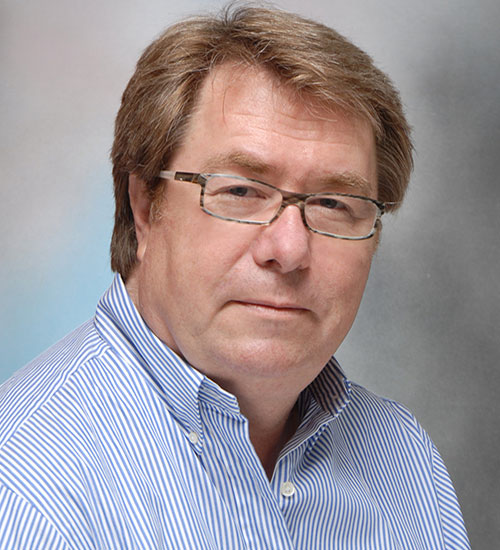
Prof. Moschos A. Papadopoulos
Open bite malocclusions represent a significant percentage of orthodontic cases treated in the clinical practice. In general, the etiology of open bite malocclusion can be multifactorial, and the treatment can be challenging for the clinician. Dental factors, skeletal discrepancies, functional disturbances, soft tissue factors, habits or a combination of the above, could be associated with the presence of this orthodontic malocclusion.
Treatment goals depend on the etiology of the problem, and individual diagnostic assessment is considered essential to obtain a successful therapeutic outcome. The maturity stage of the patient is also important, especially in cases where skeletal discrepancies are present and residual growth may cause alterations in the occlusion and jaws in the vertical dimensions.
Depending on the above, treatment of open bite cases may include among others the use of orthodontic/orthopedic appliances or appliances for the discontinuation of habits, the use of mini-implants or mini-plates for molar intrusion, extractions of teeth, or orthognathic surgery.
In most of the cases the use of multibracket appliances is combined consecutively, or simultaneously with the above modalities or approaches, while lately the use of clear aligners is advocated by many clinicians.
The aim of this lecture is to discuss the various alternatives for the treatment of open bite, giving special attention to the use of skeletal anchorage and clear aligners.
MOSCHOS A. PAPADOPOULOS, DDS, Dr Med Dent
Professor of Orthodontics
Dept. of Orthodontics, Aristotle University of Thessaloniki, Greece
Visiting Professor
University of Vienna, Austria
University of Messina, Italy
University of Campania, Naples, Italy
University of Iasi, Romania
Collaborating Professor
European University Miguel de Cervantes, Valladolid, Spain
SHORT CV
Dr. Moschos A. Papadopoulos serves as Professor of Orthodontics at the Department of Orthodontics, School of Dentistry, Aristotle University of Thessaloniki, Greece. He is also Visiting Professor at the University of Vienna, Austria, at the Universities of Messina, Sicily and of Naples, Italy, and at the University of Iasi, Romania, as well as Collaborating Professor at the European University Miguel de Cervantes, Valladolid, Spain. He is Honorary Member of the Cyprus Orthodontic Society, he was the founder and served as first President of the Balkan Association of Orthodontic Specialists, and as President of the Orthodontic Society of Northern Greece.
Dr. Papadopoulos is Honorary Editor of the "Hellenic Orthodontic Review", was Asst. Editor of the "World Journal of Orthodontics” and is/was Member of the Editorial Board of 21 peer reviewed journals, and Reviewer for 47 journals. He is also active member in more than 23 national and international societies.
Dr. Papadopoulos received several awards and distinctions, such as the "Joseph E. Johnson Clinical Award” and the "Turpin Award for Evidence-Based Research” from the AAO, the “Regional Award of Merit” from the WFO, the “Special Achievement Award” from the BAOS, as well as the “Francesca Miotti Award” and the “FEO Excellence Award” from the European Federation of Orthodontics. Dr. M. A. Papadopoulos is also included for four consecutive years in the Stanford List of the World’s Top 2% Scientists (2022-2025).
His main clinical and research interests include the subjects of "noncompliance orthodontic treatment", "temporary anchorage devices in orthodontics", and "evidence-based orthodontics".
Dr. Papadopoulos has written the books "Orthodontic treatment for the Class II non-compliant patient", "Skeletal anchorage in orthodontic treatment of Class II malocclusion", and "Cleft lip and palate", edited the Greek translation of the book “Contemporary Orthodontics” from Proffit et al., has published more than 250 scientific publications, and has presented almost 500 lectures, courses and papers worldwide.
Orthodontic treatment of patients with open bite: Conventional approaches and new trends using TADS and clear aligners
Prof. Moschos A. Papadopoulos
Open bite malocclusions represent a significant percentage of orthodontic cases treated in the clinical practice. In general, the etiology of open bite malocclusion can be multifactorial, and the treatment can be challenging for the clinician. Dental factors, skeletal discrepancies, functional disturbances, soft tissue factors, habits or a combination of the above, could be associated with the presence of this orthodontic malocclusion.
Treatment goals depend on the etiology of the problem, and individual diagnostic assessment is considered essential to obtain a successful therapeutic outcome. The maturity stage of the patient is also important, especially in cases where skeletal discrepancies are present and residual growth may cause alterations in the occlusion and jaws in the vertical dimensions.
Depending on the above, treatment of open bite cases may include among others the use of orthodontic/orthopedic appliances or appliances for the discontinuation of habits, the use of mini-implants or mini-plates for molar intrusion, extractions of teeth, or orthognathic surgery.
In most of the cases the use of multibracket appliances is combined consecutively, or simultaneously with the above modalities or approaches, while lately the use of clear aligners is advocated by many clinicians.
The aim of this lecture is to discuss the various alternatives for the treatment of open bite, giving special attention to the use of skeletal anchorage and clear aligners.
MOSCHOS A. PAPADOPOULOS, DDS, Dr Med Dent
Professor of Orthodontics
Dept. of Orthodontics, Aristotle University of Thessaloniki, Greece
Visiting Professor
University of Vienna, Austria
University of Messina, Italy
University of Campania, Naples, Italy
University of Iasi, Romania
Collaborating Professor
European University Miguel de Cervantes, Valladolid, Spain
SHORT CV
Dr. Moschos A. Papadopoulos serves as Professor of Orthodontics at the Department of Orthodontics, School of Dentistry, Aristotle University of Thessaloniki, Greece. He is also Visiting Professor at the University of Vienna, Austria, at the Universities of Messina, Sicily and of Naples, Italy, and at the University of Iasi, Romania, as well as Collaborating Professor at the European University Miguel de Cervantes, Valladolid, Spain. He is Honorary Member of the Cyprus Orthodontic Society, he was the founder and served as first President of the Balkan Association of Orthodontic Specialists, and as President of the Orthodontic Society of Northern Greece.
Dr. Papadopoulos is Honorary Editor of the "Hellenic Orthodontic Review", was Asst. Editor of the "World Journal of Orthodontics” and is/was Member of the Editorial Board of 21 peer reviewed journals, and Reviewer for 47 journals. He is also active member in more than 23 national and international societies.
Dr. Papadopoulos received several awards and distinctions, such as the "Joseph E. Johnson Clinical Award” and the "Turpin Award for Evidence-Based Research” from the AAO, the “Regional Award of Merit” from the WFO, the “Special Achievement Award” from the BAOS, as well as the “Francesca Miotti Award” and the “FEO Excellence Award” from the European Federation of Orthodontics. Dr. M. A. Papadopoulos is also included for four consecutive years in the Stanford List of the World’s Top 2% Scientists (2022-2025).
His main clinical and research interests include the subjects of "noncompliance orthodontic treatment", "temporary anchorage devices in orthodontics", and "evidence-based orthodontics".
Dr. Papadopoulos has written the books "Orthodontic treatment for the Class II non-compliant patient", "Skeletal anchorage in orthodontic treatment of Class II malocclusion", and "Cleft lip and palate", edited the Greek translation of the book “Contemporary Orthodontics” from Proffit et al., has published more than 250 scientific publications, and has presented almost 500 lectures, courses and papers worldwide.
This site uses cookies. Find out more about cookies and how you can refuse them.