Share This Speaker

Decision making algorithm for Fixed vs Removable full arch implant restorations
The selection between fixed and removable full-arch implant restorations is primarily determined by specific clinical parameters that influence biomechanics, esthetics, hygiene, and long-term prognosis. Bone quantity and quality are critical factors. Patients with adequate bone volume and favorable bone density allow placement of a sufficient number of implants in optimal positions, supporting a fixed full-arch prosthesis. In contrast, reduced bone height, severe resorption, or anatomical limitations such as proximity to the maxillary sinus or inferior alveolar nerve may favor a removable implant overdenture, which can function with fewer implants.
Inter-arch space is another decisive parameter. Limited prosthetic space may restrict the use of attachment systems, whereas excessive inter-arch distance often favors removable restorations because they allow better replacement of lost soft tissue and improved lip support. Smile line and esthetic requirements also influence the decision; patients with a high smile line may benefit from removable prostheses that provide acrylic flanges for gingival replacement.
Hygiene capability must be carefully evaluated. Patients with limited manual dexterity, reduced vision, or poor compliance may have difficulty cleaning under fixed prostheses, making removable options safer. Opposing dentition, parafunctional habits, and occlusal load should also be considered, as high functional forces may require designs that distribute stress more favorably.
Therefore, clinical decision-making should integrate anatomical, functional, and patient-related parameters to ensure prosthesis design with predictable long-term outcomes.
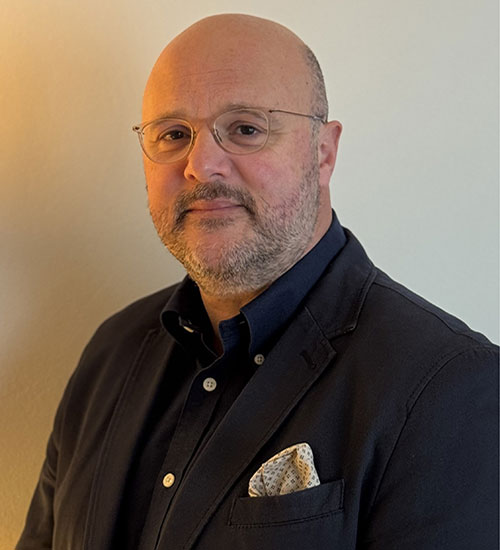
Nikitas Sykaras DDS, PhD
Dr. Sykaras received his DDS degree from the Dental School of Athens University and continued his post Graduate studies at Baylor College of Dentistry, in Dallas, Texas where he successfully completed a five year program leading to a Certificate in Prosthodontics and PhD in Biomedical Sciences. Following this, he also completed a Fellowship program in Implantology at Texas A&M University.
He is currently Associate Professor in the Department of Prosthodontics at the Dental School of Athens University with active role in the clinical training and lecture teaching of the undergraduate and Graduate Prosthodontics students.
Dr. Sykaras is an ITI Fellow and has been Chairman and Educational Delegate of the Hellenic ITI Section. He is the Director of the Athens ITI Study Club for 15 years and an active faculty member of the CE course in Dental Implantology at the Dental School of Athens University.
Dr. Sykaras lectures nationally and internationally on topics related to Prosthodontics. He is author to 80 articles and has translated 3 books on esthetics and implantology. His research interests are the clinical evaluation of implant treatment, bone biology, dental material science and digital dentistry.
Dr. Sykaras practices for 25 years the full spectrum of Fixed, Removable and Implant Prosthodontics with extensive experience on full arch reconstructions, and complex clinical cases with prostheses of various designs and material combinations.
Decision making algorithm for Fixed vs Removable full arch implant restorations
The selection between fixed and removable full-arch implant restorations is primarily determined by specific clinical parameters that influence biomechanics, esthetics, hygiene, and long-term prognosis. Bone quantity and quality are critical factors. Patients with adequate bone volume and favorable bone density allow placement of a sufficient number of implants in optimal positions, supporting a fixed full-arch prosthesis. In contrast, reduced bone height, severe resorption, or anatomical limitations such as proximity to the maxillary sinus or inferior alveolar nerve may favor a removable implant overdenture, which can function with fewer implants.
Inter-arch space is another decisive parameter. Limited prosthetic space may restrict the use of attachment systems, whereas excessive inter-arch distance often favors removable restorations because they allow better replacement of lost soft tissue and improved lip support. Smile line and esthetic requirements also influence the decision; patients with a high smile line may benefit from removable prostheses that provide acrylic flanges for gingival replacement.
Hygiene capability must be carefully evaluated. Patients with limited manual dexterity, reduced vision, or poor compliance may have difficulty cleaning under fixed prostheses, making removable options safer. Opposing dentition, parafunctional habits, and occlusal load should also be considered, as high functional forces may require designs that distribute stress more favorably.
Therefore, clinical decision-making should integrate anatomical, functional, and patient-related parameters to ensure prosthesis design with predictable long-term outcomes.
Nikitas Sykaras DDS, PhD
Dr. Sykaras received his DDS degree from the Dental School of Athens University and continued his post Graduate studies at Baylor College of Dentistry, in Dallas, Texas where he successfully completed a five year program leading to a Certificate in Prosthodontics and PhD in Biomedical Sciences. Following this, he also completed a Fellowship program in Implantology at Texas A&M University.
He is currently Associate Professor in the Department of Prosthodontics at the Dental School of Athens University with active role in the clinical training and lecture teaching of the undergraduate and Graduate Prosthodontics students.
Dr. Sykaras is an ITI Fellow and has been Chairman and Educational Delegate of the Hellenic ITI Section. He is the Director of the Athens ITI Study Club for 15 years and an active faculty member of the CE course in Dental Implantology at the Dental School of Athens University.
Dr. Sykaras lectures nationally and internationally on topics related to Prosthodontics. He is author to 80 articles and has translated 3 books on esthetics and implantology. His research interests are the clinical evaluation of implant treatment, bone biology, dental material science and digital dentistry.
Dr. Sykaras practices for 25 years the full spectrum of Fixed, Removable and Implant Prosthodontics with extensive experience on full arch reconstructions, and complex clinical cases with prostheses of various designs and material combinations.
This site uses cookies. Find out more about cookies and how you can refuse them.