
Share This Speaker

Joint presentation with
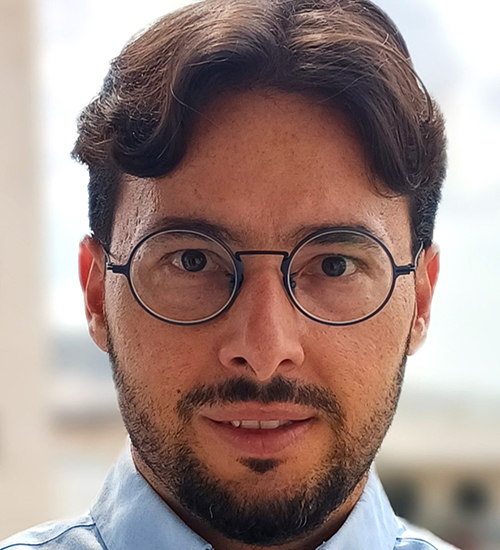
EMMANOUIL CHATZIPETROS DDS, MS, PhD
Diagnostic Approach to Jaw Lesions:
• Radiologic diagnosis
• Indications for biopsy
This presentation consists of two main components:
The first one includes the key factors to be taken into account in order to compose a radiologic differential diagnosis (tissue of origin, shape and sized, appearance, effect on neighboring structures etc). These will guide the diagnostician as to the nature or aggressiveness of the pathological entity under investigation.
The second one includes all the following steps in order of the final diagnosis to be established: The growth rate, changes over time and finally biopsy.
A step-by-step diagnostic algorithm is presented, based on the evaluation of patient-related factors, clinical findings, and radiographic characteristics. Key radiographic parameters include lesion location, size, borders, internal structure, and effects on surrounding anatomical structures such as cortical bone, adjacent teeth, the mandibular canal, and the maxillary sinus. Special emphasis is placed on the identification of clinical and radiographic “red flags,” including ill-defined or moth-eaten borders, cortical destruction, rapid lesion growth, tooth mobility, paresthesia, and pathological fractures, which may indicate aggressive or malignant pathology and necessitate biopsy.
Through a series of representative clinical cases, the differential diagnosis of common radiolucent, radiopaque, and mixed jaw lesions is discussed, and the decision-making process regarding biopsy is demonstrated. The lecture highlights that not all jaw lesions require biopsy; rather, careful correlation of clinical and radiographic findings is essential. Biopsy is recommended in cases of uncertain diagnosis, suspected malignancy, aggressive lesions, persistent lesions, large lesions, or when histopathological confirmation is required prior to definitive treatment.
This systematic approach aims to assist clinicians in making evidence-based decisions, improving diagnostic accuracy, and ensuring appropriate patient management while minimizing unnecessary surgical interventions.
CHRISTOS ANGELOPOULOS DDS, MS, PhD
Dr Angelopoulos is a graduate of the Aristotle University, School of Dentistry, Thessaloniki, Greece. His post-doctoral training includes a 2yr internship in Oral Surgery (Aristotle University) and a 1yr GPR program (Truman Medical Center, Kansas City). In addition, he completed a 3yr Oral and Maxillofacial Radiology residency program at University of Missouri-Kansas City, School of Dentistry and he was awarded the MS degree in Oral Biology. His PhD thesis was on Cone-beam computed tomography and was completed in 2010.
Dr Angelopoulos is a diplomate of the American Board of Oral and Maxillofacial Radiology and a fellow of the International College of Oral Implantologists. He has held University appointments at University of Missouri-Kansas City, School of Dentistry (assistant professor 08/02-02/07) and at Columbia University, College of Dental Medicine (associate professor and director of Oral and Maxillofacial Radiology 03/07-12/10). Currently, he is a Professor and the Director of Oral Diagnosis & Radiology at the National & Kapodistrian University of Athens, School of Dentistry in Greece.
Dr Angelopoulos is the past president of the American Academy of Oral and Maxillofacial Radiology (AAOMR) and has served as the Executive Director of this organization for 4 years. He has served in several leadership positions and committees at the AAOMR as well as IADMFR (International Association of Dento-Maxillofacial Radiology). Last, he has served as an Associate Editor of OOOO (the official journal of the AAOMR). He has published over 80 scientific papers and has spoken in several conventions and CE courses, nationally as well as internationally, on a variety of radiology topics.
Joint presentation with
EMMANOUIL CHATZIPETROS DDS, MS, PhD
Diagnostic Approach to Jaw Lesions:
• Radiologic diagnosis
• Indications for biopsy
This presentation consists of two main components:
The first one includes the key factors to be taken into account in order to compose a radiologic differential diagnosis (tissue of origin, shape and sized, appearance, effect on neighboring structures etc). These will guide the diagnostician as to the nature or aggressiveness of the pathological entity under investigation.
The second one includes all the following steps in order of the final diagnosis to be established: The growth rate, changes over time and finally biopsy.
A step-by-step diagnostic algorithm is presented, based on the evaluation of patient-related factors, clinical findings, and radiographic characteristics. Key radiographic parameters include lesion location, size, borders, internal structure, and effects on surrounding anatomical structures such as cortical bone, adjacent teeth, the mandibular canal, and the maxillary sinus. Special emphasis is placed on the identification of clinical and radiographic “red flags,” including ill-defined or moth-eaten borders, cortical destruction, rapid lesion growth, tooth mobility, paresthesia, and pathological fractures, which may indicate aggressive or malignant pathology and necessitate biopsy.
Through a series of representative clinical cases, the differential diagnosis of common radiolucent, radiopaque, and mixed jaw lesions is discussed, and the decision-making process regarding biopsy is demonstrated. The lecture highlights that not all jaw lesions require biopsy; rather, careful correlation of clinical and radiographic findings is essential. Biopsy is recommended in cases of uncertain diagnosis, suspected malignancy, aggressive lesions, persistent lesions, large lesions, or when histopathological confirmation is required prior to definitive treatment.
This systematic approach aims to assist clinicians in making evidence-based decisions, improving diagnostic accuracy, and ensuring appropriate patient management while minimizing unnecessary surgical interventions.
CHRISTOS ANGELOPOULOS DDS, MS, PhD
Dr Angelopoulos is a graduate of the Aristotle University, School of Dentistry, Thessaloniki, Greece. His post-doctoral training includes a 2yr internship in Oral Surgery (Aristotle University) and a 1yr GPR program (Truman Medical Center, Kansas City). In addition, he completed a 3yr Oral and Maxillofacial Radiology residency program at University of Missouri-Kansas City, School of Dentistry and he was awarded the MS degree in Oral Biology. His PhD thesis was on Cone-beam computed tomography and was completed in 2010.
Dr Angelopoulos is a diplomate of the American Board of Oral and Maxillofacial Radiology and a fellow of the International College of Oral Implantologists. He has held University appointments at University of Missouri-Kansas City, School of Dentistry (assistant professor 08/02-02/07) and at Columbia University, College of Dental Medicine (associate professor and director of Oral and Maxillofacial Radiology 03/07-12/10). Currently, he is a Professor and the Director of Oral Diagnosis & Radiology at the National & Kapodistrian University of Athens, School of Dentistry in Greece.
Dr Angelopoulos is the past president of the American Academy of Oral and Maxillofacial Radiology (AAOMR) and has served as the Executive Director of this organization for 4 years. He has served in several leadership positions and committees at the AAOMR as well as IADMFR (International Association of Dento-Maxillofacial Radiology). Last, he has served as an Associate Editor of OOOO (the official journal of the AAOMR). He has published over 80 scientific papers and has spoken in several conventions and CE courses, nationally as well as internationally, on a variety of radiology topics.