Share This Speaker

Tooth–Implant Combinations in Removable Prosthodontics: Beyond the Compromise
The rehabilitation of extensive edentulism remains a complex clinical challenge, particularly in Kennedy Class I and II situations, where differences in displacement between abutment teeth and the residual ridge compromise stability and long-term prognosis. Although the widespread use of dental implants initially reduced interest in removable prostheses, current evidence confirms their continued and well-defined role when guided by sound biomechanical principles. The strategic placement of implants in distal extension areas transforms tooth-and-tissue-supported prostheses into tooth-and-implant-supported systems, significantly reducing rotational movements, improving load distribution, and enhancing retention and stability. Digital planning and guided surgery enable optimal implant positioning, allowing biomechanical control rather than clinical compromise. Appropriate attachment selection, occlusal design, and implant dimensions are essential to manage non-axial loading within these dynamic systems. In cases with limited or compromised dentition, telescopic concepts combined with implants offer a reliable solution, preserving strategic teeth while ensuring adaptability and long-term maintenance. Tooth–implant combinations in removable prosthodontics should therefore be regarded not as a fallback option, but as a strategic, evidence-based approach that integrates biological principles with modern technology to deliver stable, patient-centered rehabilitations.
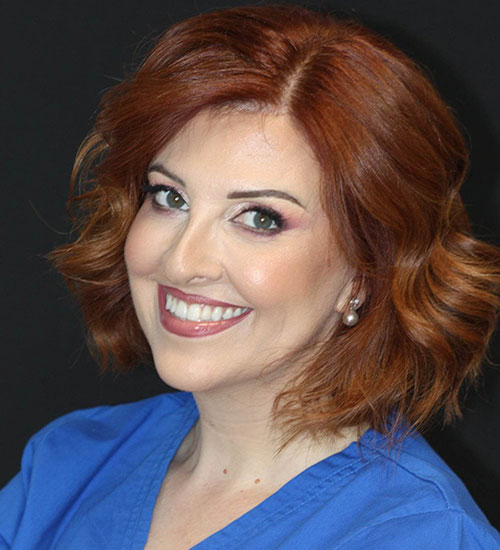
Dr Olga Naka, DDS, MClinDent, PhD, FICD, is an Associate Professor in the Department of Prosthodontics at the School of Dentistry, Aristotle University of Thessaloniki (AUTh), Greece. She currently serves as Deputy Director of the Postgraduate Programme “Science and Technology of Prosthetic Dentistry” at AUTh. In parallel, she is an Honorary Teacher in the MClinDent in Fixed and Removable Prosthodontics and the MSc in Aesthetic Dentistry postgraduate programmes at King’s College London.
Dr Naka received her dental degree and PhD from Aristotle University of Thessaloniki. She subsequently completed a four-year MClinDent programme in Fixed and Removable Prosthodontics at King’s College London, where she was awarded the prestigious Henry Schein Fellowship. She has also completed the Continuing Education Programme in Dental Implantology of the International Team for Implantology (ITI).
Her academic and clinical interests focus on removable prosthodontics, implant-assisted removable restorations, and contemporary digital workflows. Dr Naka has authored and co-authored scientific articles in national and international peer-reviewed journals, as well as book chapters, and is an invited speaker at conferences in Greece and abroad.
She is currently Secretary of the Hellenic Academy of Aesthetic Dentistry, a Fellow of the International College of Dentists (ICD), and a Fellow and registered speaker of the International Team for Implantology (ITI). She is an active member of several Greek and international scientific societies and serves as a reviewer for peer-reviewed journals.
Tooth–Implant Combinations in Removable Prosthodontics: Beyond the Compromise
The rehabilitation of extensive edentulism remains a complex clinical challenge, particularly in Kennedy Class I and II situations, where differences in displacement between abutment teeth and the residual ridge compromise stability and long-term prognosis. Although the widespread use of dental implants initially reduced interest in removable prostheses, current evidence confirms their continued and well-defined role when guided by sound biomechanical principles. The strategic placement of implants in distal extension areas transforms tooth-and-tissue-supported prostheses into tooth-and-implant-supported systems, significantly reducing rotational movements, improving load distribution, and enhancing retention and stability. Digital planning and guided surgery enable optimal implant positioning, allowing biomechanical control rather than clinical compromise. Appropriate attachment selection, occlusal design, and implant dimensions are essential to manage non-axial loading within these dynamic systems. In cases with limited or compromised dentition, telescopic concepts combined with implants offer a reliable solution, preserving strategic teeth while ensuring adaptability and long-term maintenance. Tooth–implant combinations in removable prosthodontics should therefore be regarded not as a fallback option, but as a strategic, evidence-based approach that integrates biological principles with modern technology to deliver stable, patient-centered rehabilitations.
Dr Olga Naka, DDS, MClinDent, PhD, FICD, is an Associate Professor in the Department of Prosthodontics at the School of Dentistry, Aristotle University of Thessaloniki (AUTh), Greece. She currently serves as Deputy Director of the Postgraduate Programme “Science and Technology of Prosthetic Dentistry” at AUTh. In parallel, she is an Honorary Teacher in the MClinDent in Fixed and Removable Prosthodontics and the MSc in Aesthetic Dentistry postgraduate programmes at King’s College London.
Dr Naka received her dental degree and PhD from Aristotle University of Thessaloniki. She subsequently completed a four-year MClinDent programme in Fixed and Removable Prosthodontics at King’s College London, where she was awarded the prestigious Henry Schein Fellowship. She has also completed the Continuing Education Programme in Dental Implantology of the International Team for Implantology (ITI).
Her academic and clinical interests focus on removable prosthodontics, implant-assisted removable restorations, and contemporary digital workflows. Dr Naka has authored and co-authored scientific articles in national and international peer-reviewed journals, as well as book chapters, and is an invited speaker at conferences in Greece and abroad.
She is currently Secretary of the Hellenic Academy of Aesthetic Dentistry, a Fellow of the International College of Dentists (ICD), and a Fellow and registered speaker of the International Team for Implantology (ITI). She is an active member of several Greek and international scientific societies and serves as a reviewer for peer-reviewed journals.
This site uses cookies. Find out more about cookies and how you can refuse them.